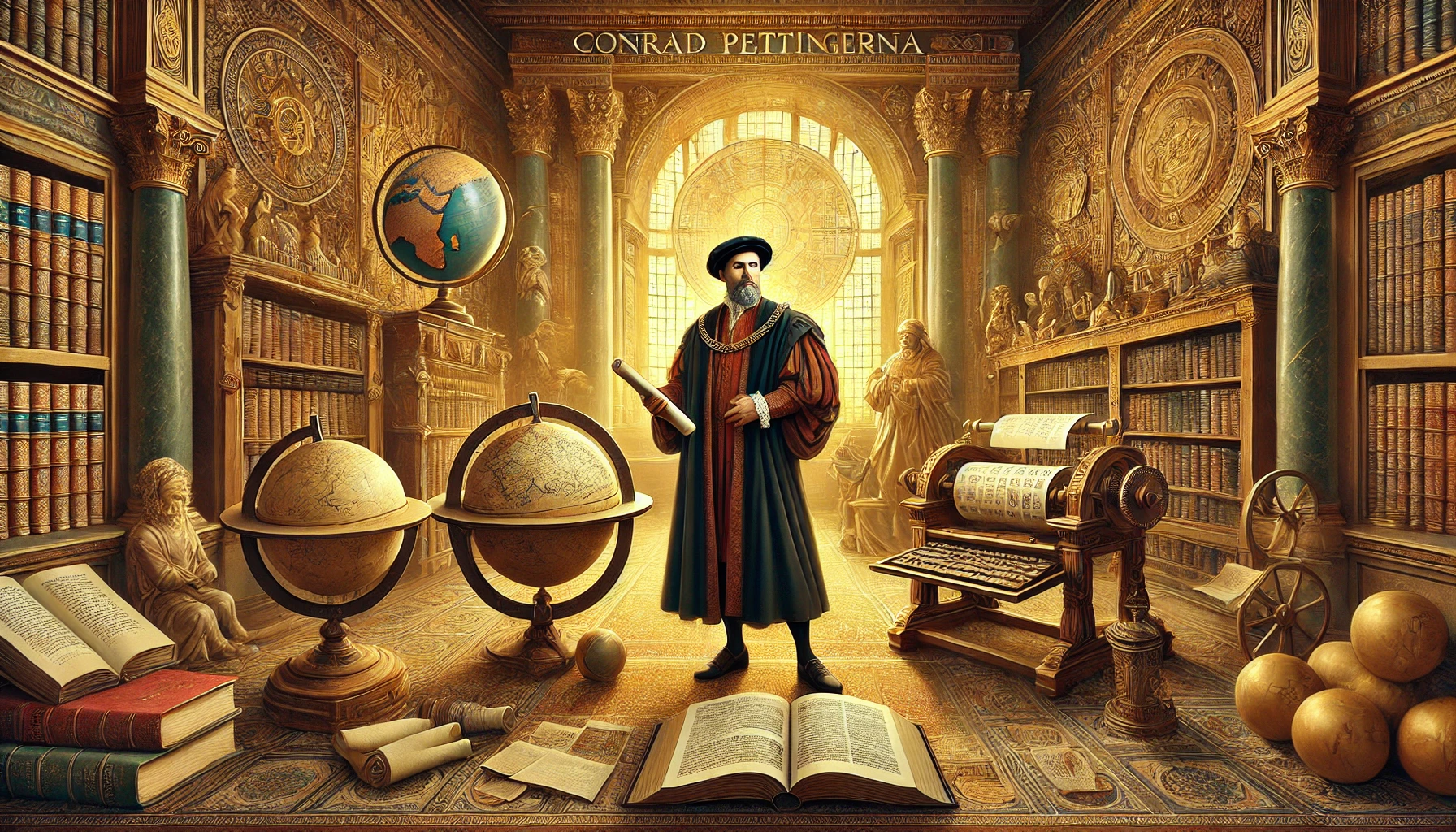
conrad peutinger ii 1475 is a name worth knowing if you’re a fan of history, maps, or the Renaissance. Peutinger was a German humanist, diplomat, and collector of rare documents. His life and work showcase the exciting intellectual shifts of the late 15th and early 16th centuries. He lived in Augsburg, Germany—a city bustling with ideas, trade, and art during the Renaissance.
In this blog, we’ll dive into the fascinating life of Conrad Peutinger II. We’ll explore his achievements, the legacy of the Peutinger Map, and why he remains an important historical figure today.
Who Was Conrad Peutinger II?
Conrad Peutinger II was born on October 14, 1475, in Augsburg. His family was well-connected and wealthy, which gave him access to education and influential circles. He studied law in Italy, where he developed a deep love for classical literature and Roman history.
Peutinger was a true Renaissance man. He was passionate about learning, diplomacy, and preserving knowledge. As a lawyer, he served as a trusted advisor to Emperor Maximilian I. As a scholar, he collected manuscripts and became known for his work in preserving ancient texts.
The Peutinger Map: A Treasure of Ancient Geography
One of Conrad Peutinger’s most famous contributions is the Tabula Peutingeriana, commonly known as the Peutinger Map. It’s a medieval copy of a Roman road map, showing the empire’s sprawling network of roads, cities, and landmarks.
The map isn’t just a practical guide. It’s a glimpse into how ancient Romans saw their world. Peutinger didn’t create the map himself. Instead, he inherited it from a friend, Konrad Celtes, who discovered it in a monastery. Peutinger recognized its value and worked to preserve it.
The Peutinger Map remains an invaluable resource for historians and archaeologists today. It’s one of the oldest surviving maps of the Roman world, offering insights into the empire’s infrastructure and geography.
Conrad Peutinger’s Role in the Renaissance
Peutinger lived during the height of the Renaissance, a time when Europe rediscovered its classical past. Scholars like Peutinger played a vital role in this movement. They hunted for ancient manuscripts, shared ideas, and used printing to spread knowledge.
In Augsburg, Peutinger helped establish the city as a hub of intellectual and cultural activity. He corresponded with other famous humanists, including Erasmus of Rotterdam, and supported efforts to preserve ancient texts. His work contributed to the broader Renaissance goal of understanding and reviving classical knowledge.
Why Conrad Peutinger II Still Matters
Conrad Peutinger II isn’t as well-known as Leonardo da Vinci or Michelangelo, but his work had a lasting impact. Here’s why he’s still important:
- Preservation of History: Peutinger’s efforts to preserve the Peutinger Map and other manuscripts saved invaluable historical records.
- Cultural Influence: He was part of a larger movement that shaped modern Western thought and scholarship.
- Inspiration for Modern Cartography: The Peutinger Map laid the groundwork for future studies in geography and cartography.
Fun Facts About Conrad Peutinger II
- He had a passion for rare books and manuscripts, building one of the most impressive libraries of his time.
- Peutinger was close friends with Emperor Maximilian I, giving him influence in both political and scholarly circles.
- The Peutinger Map is over 22 feet long when fully unrolled!
FAQs About Conrad Peutinger II (1475)
1. What is Conrad Peutinger best known for?
He is best known for preserving the Peutinger Map, a medieval copy of an ancient Roman road map.
2. Why is the Peutinger Map significant?
The map offers a rare look at the Roman Empire’s road network, cities, and geography. It’s a key resource for historians studying ancient Rome.
3. What was Conrad Peutinger’s role in the Renaissance?
He was a humanist and scholar who helped preserve ancient texts, spread knowledge, and contribute to the cultural revival of the Renaissance.
4. Where can I see the Peutinger Map today?
The original map is preserved in the Austrian National Library in Vienna.
Conclusion
Conrad Peutinger II (1475–1547) was a scholar, diplomat, and cultural icon of the Renaissance. His passion for history and learning helped preserve some of the ancient world’s greatest treasures, including the Peutinger Map. Peutinger’s legacy reminds us of the importance of preserving and sharing knowledge.
Whether you’re a history buff or just love a good story, Conrad Peutinger’s life is worth exploring. His dedication to understanding the past has shaped how we see the ancient world today.